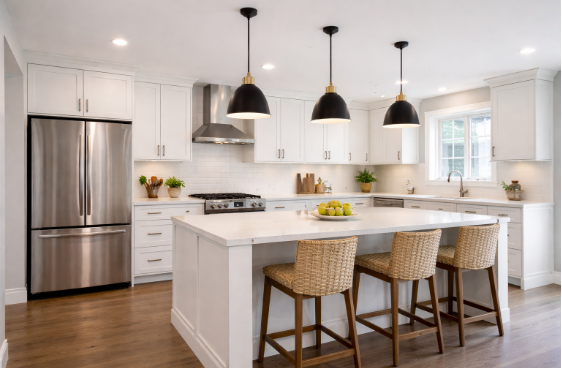
A kitchen renovation is one of the most impactful upgrades a homeowner can make. It improves daily functionality while also increasing property value. In Burlington, where many homes feature older layouts or traditional designs, thoughtful planning is essential to ensure the updated space meets modern needs.
Understanding how to approach layout, materials, timelines, and local considerations can help homeowners avoid common setbacks and make informed decisions throughout the renovation process.
Starting with Effective Kitchen Layout Planning
A successful renovation begins with a clear layout strategy. Kitchens serve as central gathering spaces, so the design should balance efficiency with comfort. One of the most important concepts to consider is workflow, often guided by the relationship between the sink, stove, and refrigerator.
Kitchen layout planning should reflect how the space is actually used. For example, open-concept kitchens are popular in Burlington homes, especially in renovations that involve removing walls to connect the kitchen with living or dining areas.
Storage is another key factor. Incorporating deep drawers, vertical storage, and well-placed cabinetry can make the space more practical without increasing its footprint. Islands are also commonly added, providing extra workspace and seating while improving flow.
Taking time to plan the layout carefully helps ensure the renovation delivers both visual appeal and long-term usability.
Choosing Materials That Balance Style and Durability
Material selection plays a major role in both the appearance and longevity of a kitchen. In Ontario kitchen upgrades, homeowners often prioritize finishes that can handle daily wear while maintaining a clean, modern look.
Cabinetry choices should align with the overall design while offering durability. Solid wood and high-quality engineered materials are commonly used for their strength and resistance to moisture. Countertops, such as quartz or granite, are popular for their low maintenance and resilience.
Flooring is another important consideration. Kitchens experience heavy foot traffic, so materials like tile or luxury vinyl are often preferred for their durability and ease of cleaning.
Lighting also contributes to both function and atmosphere. Pendant lighting over islands and under-cabinet lighting for workspaces can enhance usability while adding visual interest.
Selecting materials with both performance and style in mind helps create a kitchen that remains practical over time.
Understanding the Renovation Timeline
A clear renovation timeline helps set realistic expectations and reduces disruption during the project. Kitchen renovations typically involve multiple stages, including design, demolition, installation, and finishing.
In Burlington, timelines can also be influenced by permit approvals and contractor availability. While smaller updates may be completed relatively quickly, full renovations often take several weeks or longer depending on the scope of work.
Planning ahead is essential. Ordering materials early, confirming schedules, and preparing for temporary kitchen arrangements can make the process more manageable. Delays can occur, especially if unexpected issues such as outdated wiring or plumbing are discovered during construction.
Having a structured timeline allows homeowners to stay organized and better navigate each phase of the renovation.
Working with Experienced Renovation Professionals
Hiring experienced professionals can significantly improve the outcome of a kitchen renovation. Local contractors bring valuable insight into Burlington’s building standards, common home layouts, and permit requirements.
For instance, working with teams familiar with kitchen renovations in Burlington can help streamline project management, coordinate trades, and ensure that design choices align with both functionality and local regulations.
Professional guidance is particularly useful when making structural changes, updating electrical systems, or optimizing layout efficiency. Clear communication between the homeowner and contractor also helps prevent misunderstandings and keeps the project on track.
Selecting the right professionals is an important step in achieving a renovation that meets expectations and adheres to local requirements.
Accounting for Permits and Local Requirements
Permits are an important but sometimes overlooked part of kitchen renovation planning. In Burlington, permits may be required for electrical work, plumbing changes, structural modifications, or alterations that affect ventilation systems.
Even when the changes seem minor, it is important to confirm whether approvals are needed. Working without proper permits can create complications during inspections or future home sales.
Local building codes are designed to ensure safety and efficiency, particularly in areas such as wiring, load-bearing structures, and airflow. Kitchens often involve multiple systems, so compliance is essential.
Homeowners who work with knowledgeable professionals can navigate these requirements more easily. This reduces the risk of delays and ensures that the renovation meets current standards.
Budgeting for Long-Term Value
Budgeting is a key part of kitchen renovation planning. Costs can vary depending on the size of the space, the materials selected, and the complexity of the design. In Burlington, homeowners should also factor in permits, labor, and potential upgrades to meet current building standards.
Establishing priorities early can help guide spending decisions. For example, investing in high-quality cabinetry or durable countertops may provide better long-term value than focusing solely on aesthetic features.
It is also wise to include a contingency budget to address unexpected expenses. Renovations often reveal hidden issues that need to be resolved before work can continue.
A well-planned budget supports a smoother renovation process and helps ensure that the final result aligns with both functional needs and financial goals.
Considering Resale Value and Future Use
A kitchen renovation can influence a home’s resale value, especially in a market like Burlington where updated interiors are often a priority for buyers. While personal preferences should guide design decisions, it is also worth considering broader appeal.
Neutral color palettes, durable materials, and practical layouts tend to attract a wider range of buyers. Features such as ample storage, efficient lighting, and modern appliances can also contribute to perceived value.
At the same time, the kitchen should reflect how the homeowner intends to use the space. Whether it is designed for entertaining, family meals, or everyday convenience, balancing personal needs with long-term appeal can lead to better outcomes.
By approaching the renovation with both present use and future resale in mind, homeowners can create a space that delivers lasting value.
Finally, it is worth considering how the renovation fits within the overall character of the home. In Burlington, many properties have distinct architectural styles, and aligning the kitchen design with the rest of the house can create a more cohesive feel. Consistency in finishes, colors, and materials helps the renovation blend naturally with existing spaces rather than feeling disconnected. This approach not only improves day-to-day enjoyment but also contributes to a more polished and unified presentation of the home.