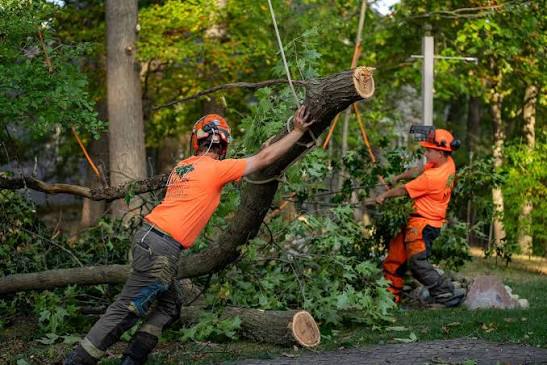
Every property with mature trees carries a degree of managed risk. This is not a reason to avoid having trees — the benefits they deliver in shade, character, habitat, and environmental value are genuinely significant. It is a reason to manage them properly. The difference between a tree that contributes positively to a property and one that threatens it often comes down to how consistently and professionally it has been maintained.
Professional tree services exist precisely because trees are living systems that change continuously — they grow, they age, they are affected by weather events, diseases, and competition from surrounding plants, and they develop structural characteristics that require expert assessment to understand. Relying on a tree looking fine from the outside is one of the most common mistakes property owners make when managing tree risk.
How Trees Become Hazards
The progression from healthy, well-maintained tree to property hazard typically happens gradually and, to the untrained eye, invisibly. Internal decay caused by fungal disease can hollow a tree’s trunk over several years while the external bark and foliage continue to look healthy. Root system damage from drought, soil compaction, or interference with underground services can undermine structural stability long before any visible symptoms appear above ground. Dead wood accumulating in the upper canopy is invisible from the ground but poses significant falling hazard, particularly during wind events.
An arborist who inspects trees with professional knowledge identifies all of these indicators. A property owner doing a visual check from the lawn does not — which is why professional inspection is the foundation of property tree safety, not a replacement for it.
The Role of Tree Lopping in Safety Management
Professional tree lopping is one of the primary tools arborists use to manage tree risk at the property level. Removing dead and dying wood eliminates one of the most significant sources of falling hazard. Reducing canopy size and weight on structurally compromised specimens lowers the load on weakened structural zones, buying time for natural compartmentalisation or providing a longer-term safety improvement for trees that would otherwise require removal. Lifting the crown to clear structures and people movement areas below eliminates the contact points between tree and property that create damage risk in wind events.
Documentation and Insurance
For property owners with insurance cover for property damage and public liability, maintaining records of professional tree care is not just good practice — it may be a contractual requirement. Insurance policies that cover tree-related damage typically include provisions about whether the property owner took reasonable steps to manage tree risk. Professional arborist reports and maintenance records are the evidence that ‘reasonable steps’ were taken.
Establishing a Maintenance Schedule
The most effective approach to property tree safety is a scheduled maintenance program rather than reactive responses to problems as they become visible. Annual or biennial professional inspections, combined with specific maintenance work identified during those inspections, produce a consistent safety standard that reactive management cannot match. TBS Trees works with property owners to establish maintenance schedules that fit their property’s specific requirements and their budget, providing the professional documentation that supports both safety and insurance compliance throughout.